


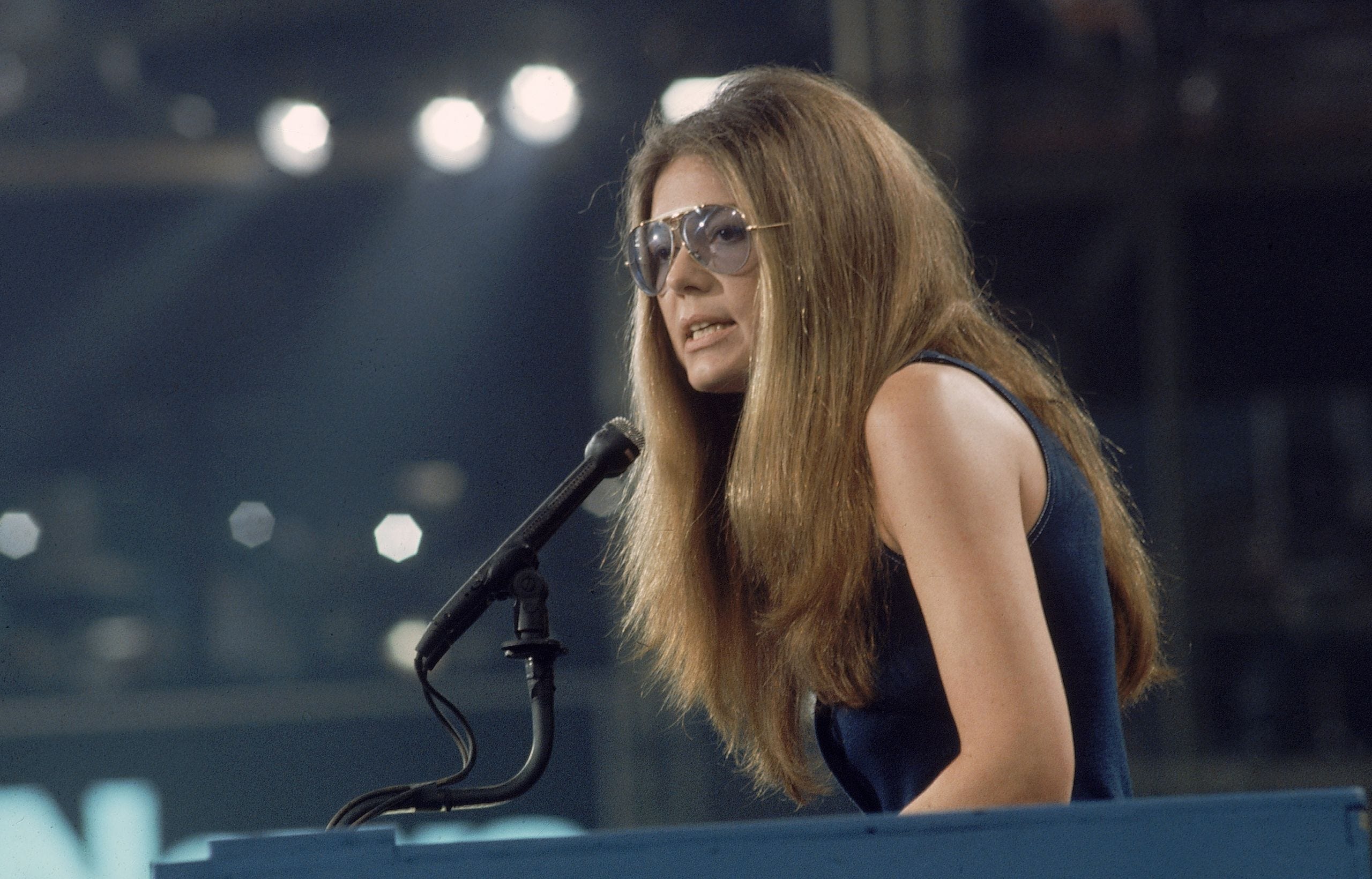
This is the story of a girl who grew up with no fixed address and no one telling her what she was allowed to become, and who spent the next seventy years finding out.
She was born Gloria Marie Steinem on March 25, 1934, in Toledo, Ohio, to a father who sold antiques out of the back of a house trailer and a mother who had once been a real journalist herself, writing under a man’s byline because that was the only way a newspaper would run her work. For years the family didn’t live anywhere so much as move through places, winters in Florida or California chasing whatever the trailer could sell, summers back in Ohio. There wasn’t much regular schooling in those years. There were books, though, stacks of them, read indiscriminately by a kid nobody was supervising closely enough to stop her.
Then, when Gloria was ten, her parents split. Her father drove off to keep chasing sales. Her mother, worn down by years of instability and what would now likely be recognized as untreated mental illness, could no longer really function as an adult in charge of a household. So a ten-year-old ran the household instead. Gloria cooked and managed money. She sat with her mother through nights when her mother believed people were coming to hurt them. It was not a childhood built for confidence. It was a childhood that taught her, early, what it looks like when a woman’s ambitions get quietly erased by circumstance a lesson she wouldn’t have language for until much later, but never stopped carrying.
"Power can be taken, but not given. The process of the taking is empowerment in itself."
— Gloria Steinem, Revolution from Within
She got out the way a certain kind of determined, bookish kid from a broken household sometimes does: by being good enough at something to leave. She finished high school living with her older sister in Washington, D.C., got into Smith College, and graduated in 1956 with a degree in government. Then, instead of doing what a young woman with a good degree was supposed to do next, she used a fellowship to disappear to India for two years.
In India, she fell in with local organizers running grassroots campaigns against caste violence, walking village to village, building support one conversation at a time rather than waiting for permission from anyone above them. Nobody there had institutional power. They built power anyway, out of persistence and presence. Steinem watched how it worked and filed the lesson away without knowing yet what she’d use it for.
Birth Of An Icon: A Bunny Tale
Back in New York, trying to break in as a serious journalist, she ran straight into a wall built entirely out of what editors assumed a woman writer was good for: stockings, hairstyles, dating advice. Real political reporting simply wasn’t offered to her. In 1963, chasing an assignment that might finally prove otherwise, she agreed to something almost nobody else would touch: going undercover, under a fabricated identity, as a Playboy Bunny at Hugh Hefner’s flagship New York club, to find out what the job actually did to the women inside it. She lasted eleven days in a costume so tight she could barely breathe, endured mandatory physicals and a demerit system designed to keep the women compliant, and came out with a two-part exposé that forced real changes at the clubs. It also, for a long stretch of years afterward, nearly buried her as a serious writer; editors couldn’t see past “the Bunny girl” to the reporter underneath. She turned down the money that would have let her cash in on the notoriety and kept fighting for the assignments she actually wanted. It took years to be taken seriously again.
The turn that mattered most arrived almost by accident, in 1969, at a meeting she’d only gone to as a reporter. It was a gathering of a radical feminist group, and Steinem went planning to cover it the way journalists are trained to, from a careful, professional distance. Instead, listening to women describe experiences that suddenly sounded exactly like her own life, something in her rearranged. The essay she wrote afterward, “After Black Power, Women’s Liberation,” wasn’t reporting from outside a movement. It was her stepping into one, in print, under her own name, for the first time.
A Revolution Was Born
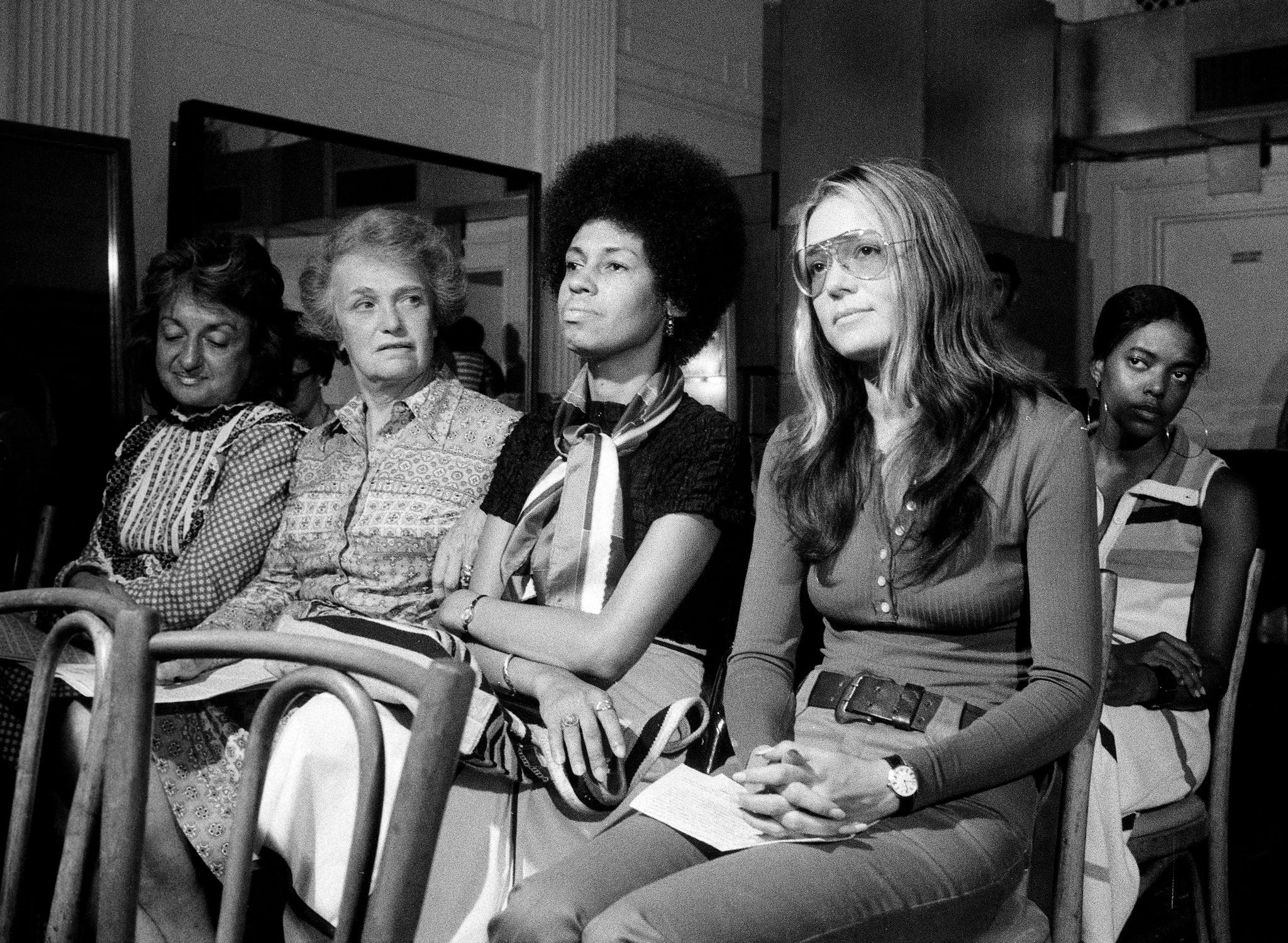
From there, she stopped being only a writer and started being a builder. In 1971 she helped found the National Women’s Political Caucus alongside Bella Abzug, Shirley Chisholm, and Betty Friedan, an organization built to get women into elected office. That same year, with a community organizer named Dorothy Pitman Hughes, she co-founded the Women’s Action Alliance and began touring the country with her speaking on campuses and in church basements about a movement most of the press had already decided was a complaint for bored, comfortable, white women. Pitman Hughes, standing beside her, made that story impossible to hold onto.
What began as an idea for a fundraising newsletter turned, over months of arguing and organizing with a small group of women editors, into something much bigger: a national magazine about women’s actual lives, controlled by women, answering to no one else’s idea of what belonged in it. Nobody thought it would work. There had never been anything quite like it. The money that got it off the ground was an unlikely patchwork of small checks from friends, seed funding from a newspaper publisher, a bigger investment from a media company betting on something it didn’t fully understand. When the preview issue of Ms. hit newsstands at the end of 1971, tucked inside another magazine with no advertising budget of its own, the editors braced for it to sit for months. It sold out its entire run nationwide in eight days.
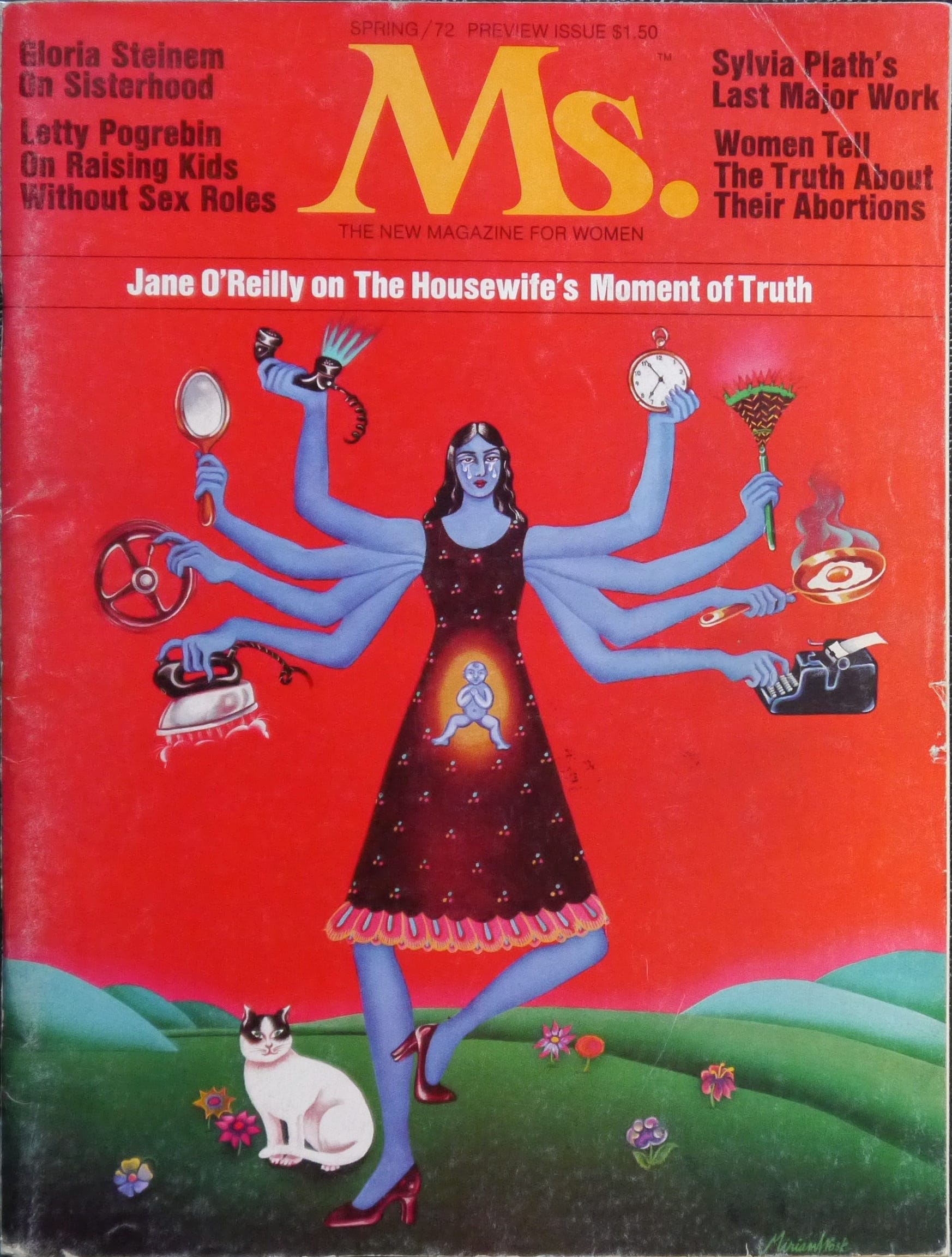
Keeping Ms. alive took nearly twenty years of a harder fight: advertisers who didn’t believe women decided what to buy, sponsors who demanded control over what ran near their ads, years when the staff genuinely didn’t know if payroll would clear. In 1989, the money finally ran out, and the magazine went dark. Instead of chasing a rescue on someone else’s terms, Steinem and the team made a different bet: when Ms. came back seven months later, it carried no advertising at all, funded instead by readers willing to pay more for a magazine that wouldn’t compromise. It worked. The magazine survived on exactly the terms it had been built for.
Her Legacy Continues.
She kept building for decades after that: the Ms. Foundation for Women, Take Our Daughters to Work Day, the Women’s Media Center in 2005, founded well into her seventies alongside Jane Fonda and Robin Morgan. She wrote books, including Revolution from Within, which argued that believing in your own worth wasn’t vanity but the actual foundation of any real fight for change.
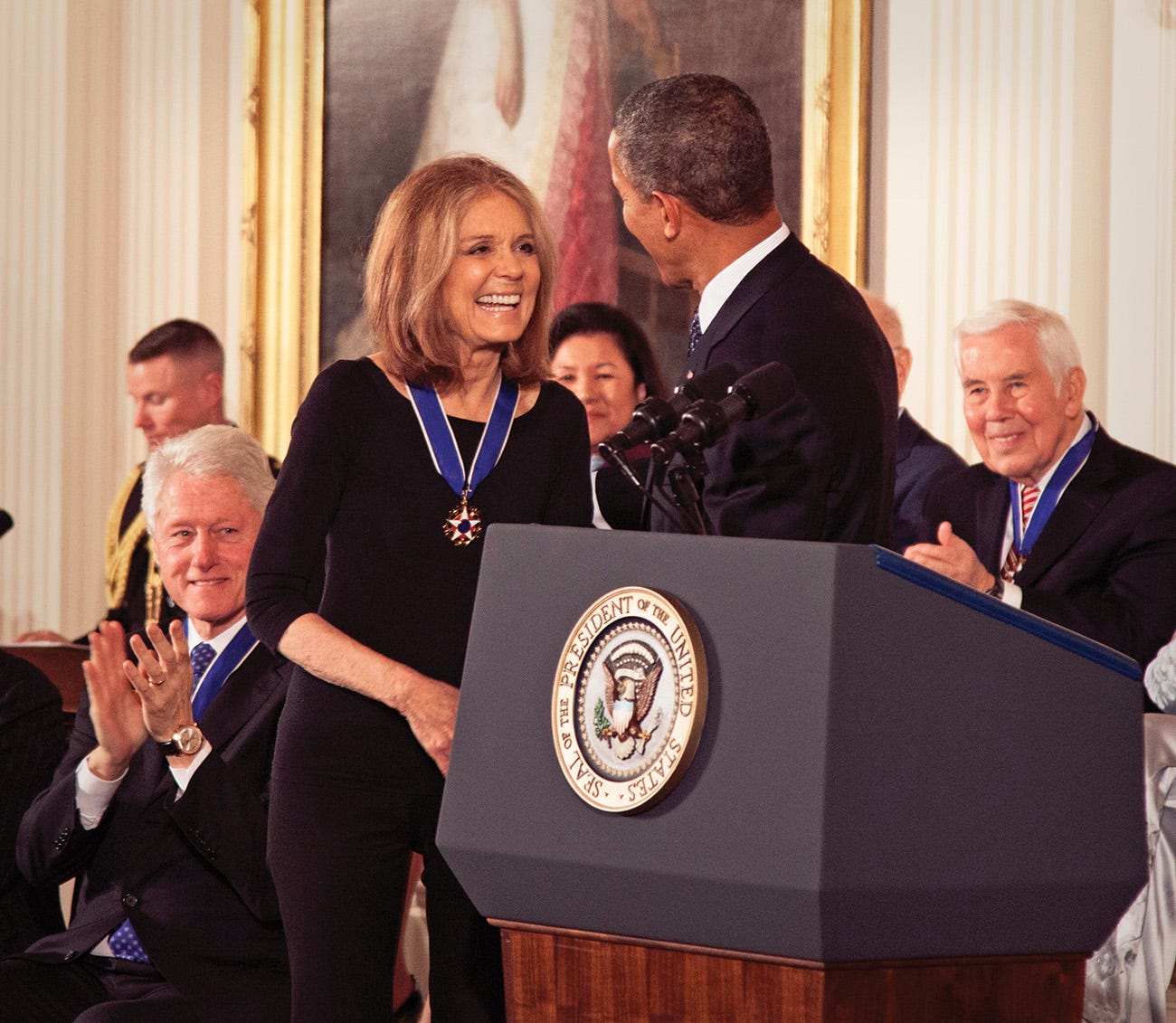
In 2013, President Obama gave her the Presidential Medal of Freedom, telling the room how much of the way the country talked about equality had been shaped by her work.
She married once, in 2000, to a British-born entrepreneur named David Bale, and cared for him through the illness that killed him three years later. She never had children of her own, though she often said the movement had given her something like a very large, complicated family.
Gloria Steinem died on September 2, 2026, at her home in New York City, at the age of 92. Her foundation said she’d spent her final years doing the two things she loved most: sitting in conversation with people, and writing. She never stopped working for the world she believed in.
“The first problem for all of us is not to learn, but to unlearn.”
— Gloria Steinem, 1971
A memoir she’d finished, An Unexpected Life, arrives in bookstores later this month.
She started with no stable home, no institutional backing, and no proof that any of it would work. What she had instead was a willingness to keep showing up, in a Playboy Club she had every reason to walk out of, in a movement meeting she only meant to cover, in a magazine office where the lights nearly went out more than once, until showing up turned into something that outlasted her.
New article every Thursday.
Be Bold. Be Real. Be Anomalous.
Follow for more Be Anomalous stories, conversations, and behind-the-scenes.
Website | Instagram | LinkedIn | YouTube | @iamsaimenon