


In an era when Amazon dominates book sales, and countless retailers have shuttered their doors, Barnes & Noble has pulled off one of retail’s most remarkable turnarounds. The bookstore chain opened more locations in 2024 than it had in the entire decade from 2009 to 2019, with approximately 60 stores added in 2024 and plans for an additional 60 in 2025. For a company that seemed destined for the same fate as its fallen rival Borders, this resurgence represents a masterclass in adaptation and reinvention.
The Cost Problem That Nearly Killed Them
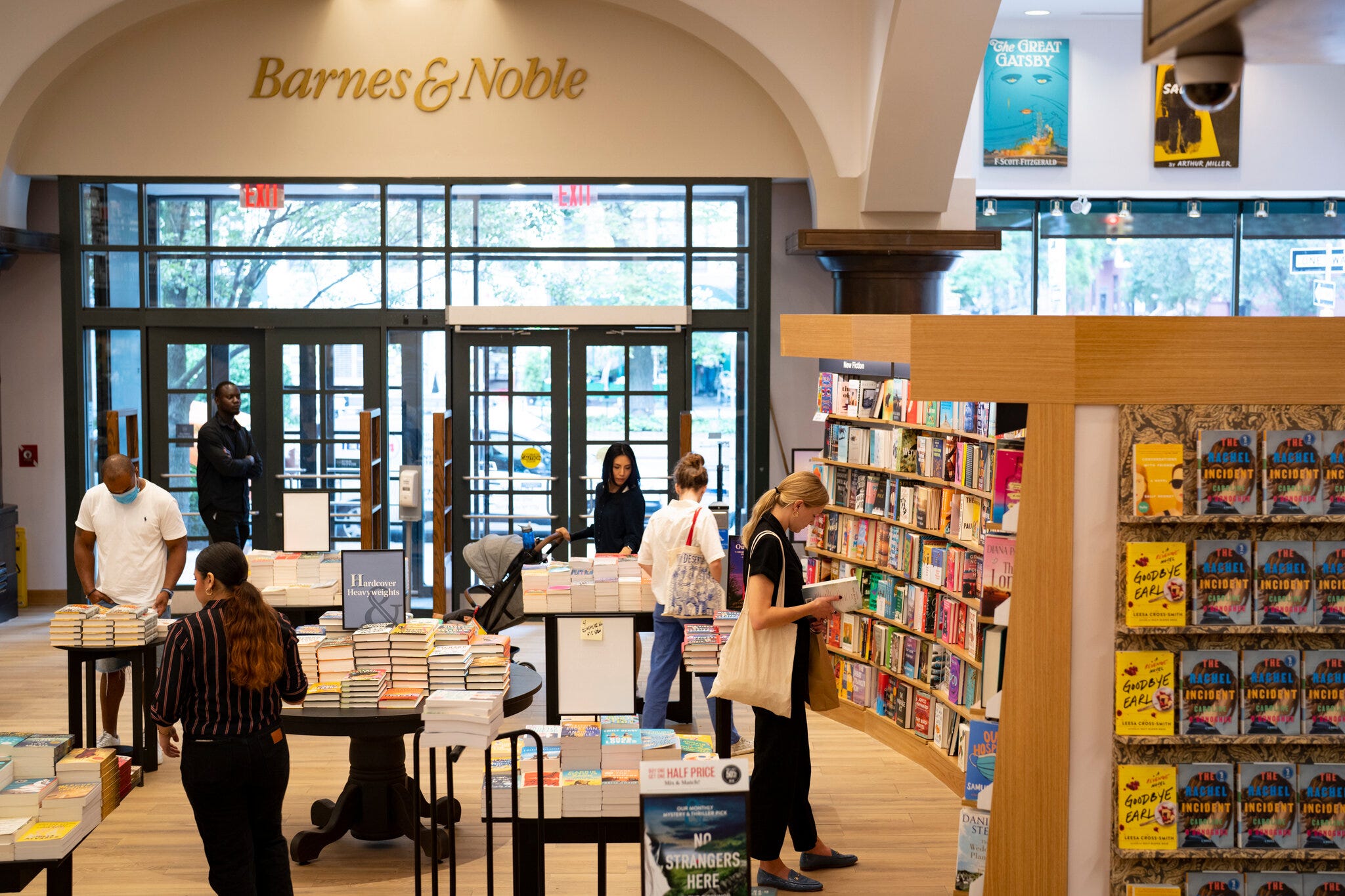
Before understanding how Barnes & Noble survives, you need to understand what almost destroyed them. The traditional bookstore model had become financially unsustainable. Publishers were paying Barnes & Noble to display certain books prominently in stores—a “pay-to-play” system that seemed like free money. But there was a hidden cost: about 70% of those promoted books never sold and had to be shipped back to publishers. The company was bleeding money on shipping, handling, and wasted labor while cluttering stores with books customers didn’t want.
On top of that, Barnes & Noble was running stores like generic big-box retailers. Corporate headquarters micromanaged everything from inventory to displays, treating all 600+ stores identically. This required massive overhead—layers of corporate staff, standardized processes, and constant directives flowing from the top down. Meanwhile, stores were staffed primarily with part-time workers who received minimal training and had no career advancement opportunities, resulting in high turnover and poor customer service.
The Game-Changing Leadership

The turning point came when Elliott Management brought in James Daunt as CEO. Daunt, who had already orchestrated a successful turnaround at British bookstore chain Waterstones, brought an unconventional philosophy: run the massive chain like a collection of independent bookstores rather than a standardized big-box retailer.
When James Daunt took over in 2019, he made several radical changes that fundamentally altered the economics:
Eliminating the Pay-to-Play System: By ending publisher payments for prominent placement, return rates dropped from 70% to just 7% by 2024. This single change saved millions in shipping and labor costs while ensuring that shelf space was filled with books customers actually wanted to buy—increasing sales per square foot.
Cutting Corporate Overhead in Half: Daunt slashed headquarters staff by 50%, eliminating the expensive bureaucracy that had been micromanaging stores. This wasn’t just about saving salaries—it removed an entire layer of inefficiency. Fewer corporate mandates meant lower operational costs across the entire chain.
Empowering Local Stores: Instead of treating all stores the same, each location now operates with significant autonomy. Store managers curate their own selections based on their community’s preferences. This increases inventory turnover because books are more likely to sell, and it reduces the need for costly markdowns and returns. When stores sell what their customers want, profitability per location improves dramatically.
Putting Books Back at the Center
Daunt stripped away the clutter that had accumulated over the years. Out went the excessive gifts, toys, and tchotchkes that had little connection to books. The stores were redesigned to feel more like inviting literary spaces than generic retail boxes. Each location was encouraged to develop its own character, with some building strong children’s sections while others emphasized local history or specific genres.
The retailer became profitable after Daunt cut corporate staff in half and empowered local managers to make more decisions about their stores. Store employees were given greater autonomy, better training, and real career advancement opportunities. The company created ten levels of promotion at the local level, each with significant pay raises, helping to build a workforce of dedicated booksellers rather than transient retail workers.
The Revenue Streams That Make It Work
Barnes & Noble doesn’t make money the way people think. While book sales represent about 60% of revenue, the business model is more nuanced:
High-Margin Merchandise Mix: Beyond books, stores sell gifts, toys, games, and stationery—products that often carry better margins than books. These items draw different customer segments and increase average transaction values. A parent buying a children’s book often leaves with a toy or puzzle as well.
Café Revenue: The in-store cafés (typically Starbucks partnerships) serve two purposes. First, they generate direct revenue from food and beverage sales at restaurant-level margins, which are significantly higher than book margins. Second, they encourage customers to linger, increasing the likelihood of purchases. People staying 45 minutes in a store browse more sections and buy more items than those making quick visits.
Membership Program Revenue: Barnes & Noble’s membership program has grown from 1 million to 18 million members in recent years. Members pay an annual fee and receive discounts, but they spend significantly more than non-members and visit stores more frequently. The upfront membership revenue provides a predictable cash flow, while members’ increased spending more than compensates for the discounts they receive.
Online Sales: While the website generates roughly $349 million in annual revenue, online sales aren’t meant to compete with Amazon on price or speed. Instead, they extend the reach of the physical stores and capture sales from customers who discovered products in-store but prefer home delivery, or who want to order books that their local store doesn’t stock.
Looking Forward
The bookstore chain now has ambitious plans for continued growth. The company believes it can grow to well over 1,000 stores, up from just shy of 700 currently. While the company remains privately held and doesn’t disclose detailed financial results, the rapid expansion and strong sales figures suggest the turnaround is more than just a temporary reprieve.
Barnes & Noble’s survival story offers valuable lessons for retailers struggling with digital disruption. Rather than trying to out- Amazon by competing on price and convenience, the company leaned into what physical stores do best: creating experiences, fostering community, and offering curated discovery.
In an age of algorithms and instant gratification, Barnes & Noble proved that there’s still magic in wandering through shelves of books, stumbling upon unexpected discoveries, and being part of a community that shares your love of reading. The company’s resurgence demonstrates that even in the digital age, some experiences simply can’t be replicated online, and customers are willing to show up in person when those experiences are done right.
New article every Tuesday.
Be Bold. Be Real. Be Anomalous.