


The beauty industry didn’t need another foundation line. Coffee brands were already crowding grocery store shelves. The vegan food market seemed saturated. Yet three women—Rihanna, Emma Chamberlain, and Tabitha Brown—didn’t just succeed in these supposedly “full” markets. They exploded them open, generating hundreds of millions in revenue and forcing billion-dollar corporations to completely reimagine their strategies.
Their secret? They weren’t trying to fit into existing markets at all.
The Anomaly Advantage
Traditional business wisdom tells entrepreneurs to identify a market, study the competition, and find their niche. But cultural disruptors operate from a fundamentally different playbook. They don’t squeeze themselves into existing categories; they create entirely new ones by being unapologetically themselves.
This is the paradox of the anomaly: the very thing that makes you unmarketable by conventional standards becomes the foundation of an entirely new market. When you’re the first person who looks like you, sounds like you, or thinks like you in a space, you’re not competing for market share. You’re creating market demand that didn’t exist before.
Rihanna: Creating the Fenty Effect
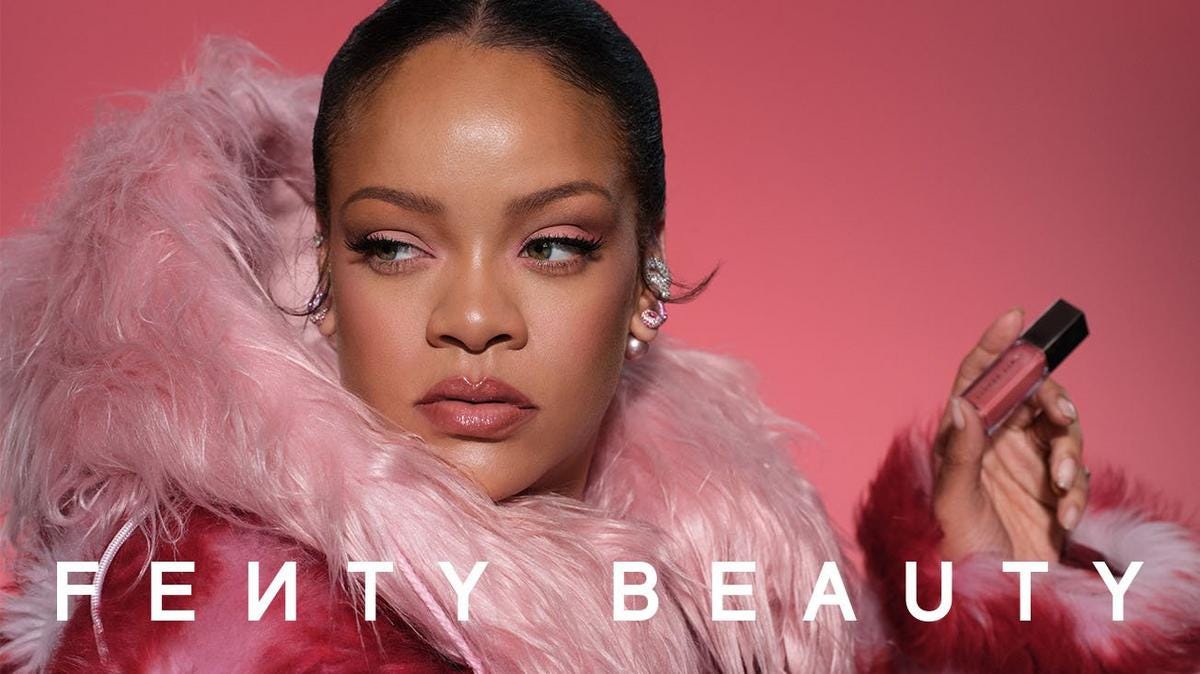
When Rihanna launched Fenty Beauty in September 2017, the beauty industry didn’t just get another celebrity cosmetics line. It experienced what would become known as “The Fenty Effect”—a seismic shift that exposed decades of exclusion.
The numbers tell the story. The brand launched with 40 foundation shades at a time when there wasn’t a brand that truly reached everyone from the lightest skin to the darkest. Within the first month, the brand made $72 million. By 2018, just one year after launch, Fenty Beauty became the top-selling prestige beauty brand in the United States.
But Fenty’s disruption went deeper than sales figures. The brand didn’t enter a market; it revealed a massive market that had been systematically ignored. After Fenty Beauty launched, headlines coined the term “The Fenty Effect,” describing it as a call to action for all industries to do more and challenge the status quo.
Legacy brands scrambled to respond. By the end of 2018, many expanded their foundation ranges to match Fenty’s 40+ shades. The brand hadn’t competed with existing players; it had rewritten the rules of what inclusion meant in beauty. As one marketing executive noted, the brand created a movement that shifted the entire industry, forcing companies to recognize consumers they’d been overlooking for decades.
The genius of Fenty wasn’t better foundation formulas or celebrity star power. It was Rihanna’s refusal to accept that “prestige beauty” couldn’t be for everyone. She walked into a room that told her certain people didn’t belong, and instead of leaving, she bought the building and renovated it.
Emma Chamberlain: Redefining Coffee Culture for Gen Z
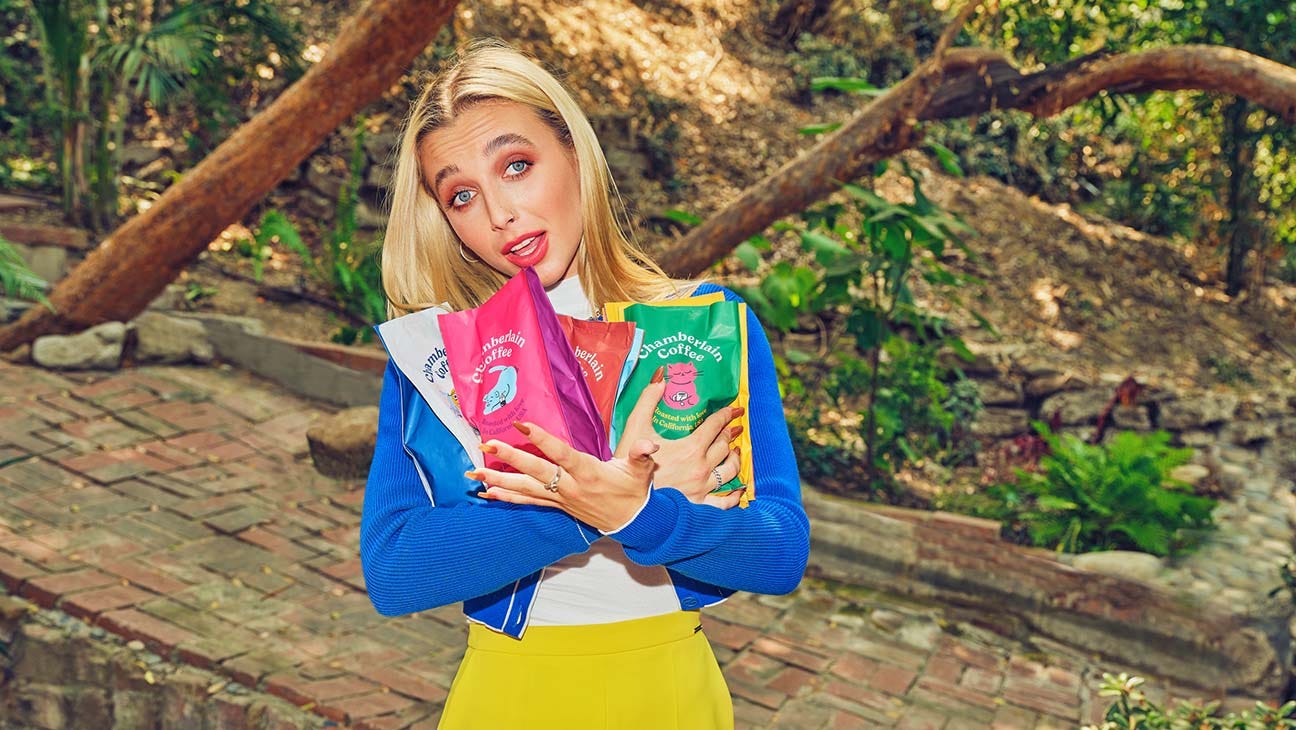
Emma Chamberlain entered the coffee industry as a 19-year-old YouTuber in 2020; hardly the profile of a traditional beverage entrepreneur. Yet Chamberlain Coffee is projected to surpass $33 million in revenue by 2025, with distribution in Target, Walmart, Whole Foods, and Amazon.
What market did she enter? None of them, actually.
Before Chamberlain, coffee marketing spoke in the language of sophistication or convenience, artisanal roasters targeting connoisseurs or Starbucks offering consistent reliability. Neither spoke to Gen Z’s desire for something else entirely: accessibility without pretension, quality without gatekeeping, personality without corporate polish.
When the brand decided to create matcha powder, it was based purely on Emma’s gut and her experience among friends; now, matcha is one of its best-selling products. This wasn’t market research; it was cultural intuition from someone who understood her generation because she was living it.
The beta launch sold out in 24 hours. When the full collection launched, over a million people visited the website within 24 hours, resulting in an immediate sellout. The company’s interim CMO explained the strategy simply: you have to have a product that is true to the talent for it to really cut through.
Chamberlain created a coffee brand that felt like hanging out with a friend who happened to have excellent taste. She formatted products specifically for Gen Z’s preferences—ditching the complexity of traditional drip coffee brewing for more accessible options. Her content strategy blended educational coffee tutorials with the casual, authentic style that made her famous on YouTube.
Most importantly, Chamberlain Coffee’s brand value is premium but accessible, not a snobby coffee brand appealing beyond just Gen Z. She created a new category: coffee for people who love coffee but hate coffee culture’s pretension. That market didn’t exist before because no one had given it permission to.
Tabitha Brown: Making Veganism Feel Like Home
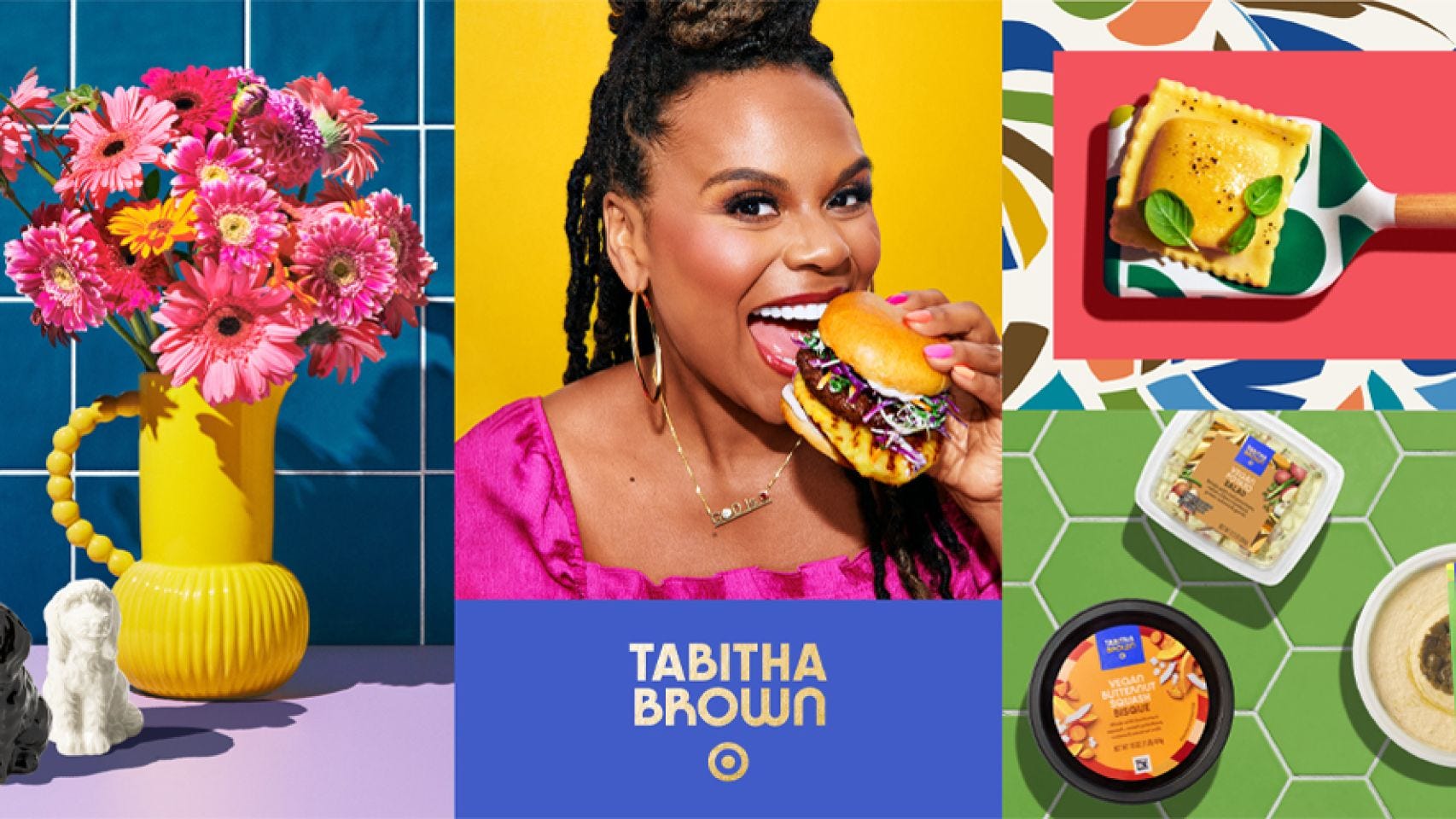
Tabitha Brown’s journey to food entrepreneur started with a viral video in December 2017, when she was working as an Uber driver. Her review of a Whole Foods vegan sandwich accumulated 50,000 views in one day, shot up to over 100,000 the next morning, and reached 1 million views in just one week.
But Brown didn’t disrupt the vegan food market by being the first vegan influencer or creating the first plant-based product line. She disrupted it by being the first person to make veganism feel welcoming, joyful, and distinctly Black Southern in its expression.
When Brown launched her Target food collection in January 2023, featuring 40 vegan products all priced under $8, the line sold out across the country within days. The demand was so overwhelming that Target made the collection permanent in 2024, expanding it with new products.
The secret to Brown’s success wasn’t just her millions of social media followers. It was her ability to translate veganism through her own cultural lens, incorporating her North Carolina roots, her natural warmth, and her signature phrase “That’s very good” into a movement that felt authentic rather than preachy.
Brown’s McCormick Sunshine seasoning sold out in less than 39 minutes in 2021. Her Target collections, spanning food, home goods, kitchenware, and apparel, repeatedly sold out with each limited release. She wasn’t competing with other vegan brands or other influencer-backed products. She was answering a need people didn’t know they had: to see someone who looked like them, sounded like them, and came from where they came from, making plant-based living feel accessible and joyful.
As one profile noted, Brown has been described as “America’s Mom,” with content characterized as comforting and calming. She created a new category in the vegan space: plant-based living as self-care and community care, rooted in Southern hospitality and Black culture.
The Business Model of Being an Anomaly
This isn’t just inspirational theory, it’s a legitimate business strategy with specific mechanics:
First, identity creates identification. When Rihanna made a foundation for her own skin tone, millions of women who’d never found their shade recognized themselves. When Emma Chamberlain built a coffee brand that reflected her genuine personality, Gen Z consumers saw permission to care about quality without losing their casual aesthetic. When Tabitha Brown brought her whole self—Black, Southern, vegan, warm—to plant-based cooking, she permitted others to be all of themselves too.
Second, underserved markets are often massive markets. The reason Fenty hit $72 million in its first month wasn’t that it created a niche. It was because it served a majority that had been treated like a niche. The reason Chamberlain Coffee resonates isn’t that Gen Z is small—it’s because Gen Z is huge and has been ignored. Brown’s Target line selling out immediately revealed the scale of demand for vegan food that didn’t ask people to perform coastal whiteness to access it.
Third, authenticity compounds. These disruptors didn’t succeed through one viral moment. They succeeded because every product, every campaign, every collaboration reinforced the same authentic point of view. Rihanna’s involvement wasn’t symbolic—she approved every product, every shade, every piece of packaging. Emma Chamberlain tries every product before launch and has final approval on packaging. Tabitha Brown’s values—premium and accessible, joyful and welcoming—permeate every aspect of her brand. That consistency builds trust that pure celebrity can’t manufacture.
Lessons for Aspiring Disruptors
If you’re considering being the first of something in your industry, the path these women blazed offers clear guidance:
Don’t try to fit. The pressure to smooth your edges, to make yourself more palatable, to “meet the market where it is” will be intense. Resist it. Your edges are your edges for a reason. They mark the outline of a market that doesn’t exist yet.
Serve your people fanatically. All three women succeeded because they solved problems they personally experienced. Rihanna had struggled to find her shade. Emma genuinely loved coffee her way. Tabitha truly believed veganism should feel welcoming. They weren’t cosplaying as their audience—they were their audience.
Let the market expand to you. Chamberlain Coffee now targets beyond Gen Z. Fenty Beauty shoppers span all ages. Tabitha Brown’s brand has expanded far beyond her initial vegan community. But none of them started by trying to be for everyone. They started by being undeniably for someone specific. The expansion came because specificity created permission, and permission created demand.
Own your category completely. Being first means you get to define what the category means. Use that power. Fenty defined inclusivity as 40+ shades minimum. Chamberlain Coffee defined accessible quality coffee as non-pretentious but premium. Tabitha Brown defined approachable veganism as joyful, warm, and rooted in cultural tradition. These definitions now shape how others compete.
The Future Belongs to Anomalies
We live in an era of seemingly saturated markets. Every industry appears crowded, every niche filled, every demographic served. Yet Rihanna, Emma Chamberlain, and Tabitha Brown prove that “saturated” often just means “exclusive.”
“What made you feel like an outsider was never the flaw —it was the signal.”
When you walk into a room where no one looks like you, sounds like you, or thinks like you, you have a choice. You can try to fit in, adapting yourself to the room’s existing culture. Or you can stay exactly who you are, trusting that your presence asks a question the room needs to answer.
Be Bold. Be Real. Be Anomalous.