


What is Product-Market Fit?
Product-market fit (PMF) is the magical moment when your product satisfies a strong market demand. Marc Andreessen, who coined the term, describes it simply: “being in a good market with a product that can satisfy that market.”
You know you have PMF when:
Customers are buying your product as fast as you can make it
Usage is growing organically through word-of-mouth
You’re struggling to keep up with demand, not struggling to find customers
Your retention metrics are strong—people who try it, stick with it
Without PMF, everything is hard. Marketing feels like pushing a boulder uphill. Sales cycles drag on. Customer acquisition costs balloon. But with PMF, there’s a palpable pull from the market. Customers seek you out. Growth feels natural, even inevitable.
Why PMF Matters More Than Anything Else
Most startups fail not because of bad technology or poor execution, but because they build something nobody wants. PMF is the difference between:
Before PMF: Convincing people they need your solution
After PMF: Scaling what already works
As startup investor Andy Rachleff notes: “The number one company killer is lack of market.” You can have the best team, the most elegant code, and impressive funding—but without PMF, none of it matters.
Case Study 1: Instagram—From Bloated App to Focused Success

The Problem They Faced
In 2010, Kevin Systrom was working on a location-based check-in app called Burbn. Think Foursquare meets social networking—users could check in to locations, make plans with friends, earn points, and post photos. The app was cluttered, confusing, and trying to do everything.
After raising $500,000 in seed funding, Systrom brought on Mike Krieger as co-founder. They had money, a product, and users (a few hundred beta testers). But something was wrong. People weren’t really using most of Burbn’s features.
The Path to PMF
The Data Revealed the Truth: Systrom and Krieger dove into their analytics and watched how people actually used Burbn. The discovery was striking: users ignored the check-ins, ignored the plans feature, and ignored the points system. They only used one thing consistently—the photo-sharing feature.
But even then, people weren’t sharing just any photos. They were overwhelmingly sharing photos they’d enhanced with filters. The filters made mediocre phone photos look artistic, professional, and shareable.
The Brutal Pivot: Most founders would have tried to fix Burbn—improve the check-ins, make the social features better, add more gamification. Instead, Systrom and Krieger did something radical: they threw everything away except the photos and filters.
They spent eight weeks rebuilding from scratch with a laser focus:
Take a photo
Apply a filter
Share it
That’s it. No check-ins. No plans. No points. Just a beautiful photo sharing. They called it Instagram.
The Three-Month Sprint: Before launch, they made critical decisions based on what would create the best experience:
Photos had to be square (like Polaroids—nostalgic and distinctive)
Upload speed had to be near-instant (they optimized by uploading while you added filters)
The feed had to be chronological and infinite scroll
Filters had to transform photos with one tap
They beta tested with a small group of photographers and designers. The feedback was electric. People loved it. They couldn’t stop using it.
The PMF Moment
Instagram launched on October 6, 2010, exclusively on iOS. Within hours, the servers crashed from overwhelming demand. In 24 hours: 25,000 users. In one week: 100,000 users. All organic—no marketing budget, no PR campaign, just word-of-mouth.
By December (two months later): 1 million users. By September 2011 (one year later): 10 million users. The growth was exponential, sustained, and almost entirely viral.
The App Store was flooded with photo apps, but Instagram won because it found its specific PMF:
Who: iPhone users who wanted to share moments but felt their photos weren’t good enough
What: One-tap transformation from amateur to artistic
Why: Social validation through beautiful visual storytelling
In April 2012, Facebook acquired Instagram for $1 billion. It had 13 employees and 30 million users.
Key Lesson: PMF often means ruthlessly cutting features to focus on the one thing users truly value. Simplicity and focus beat feature-rich complexity.
Case Study 2:
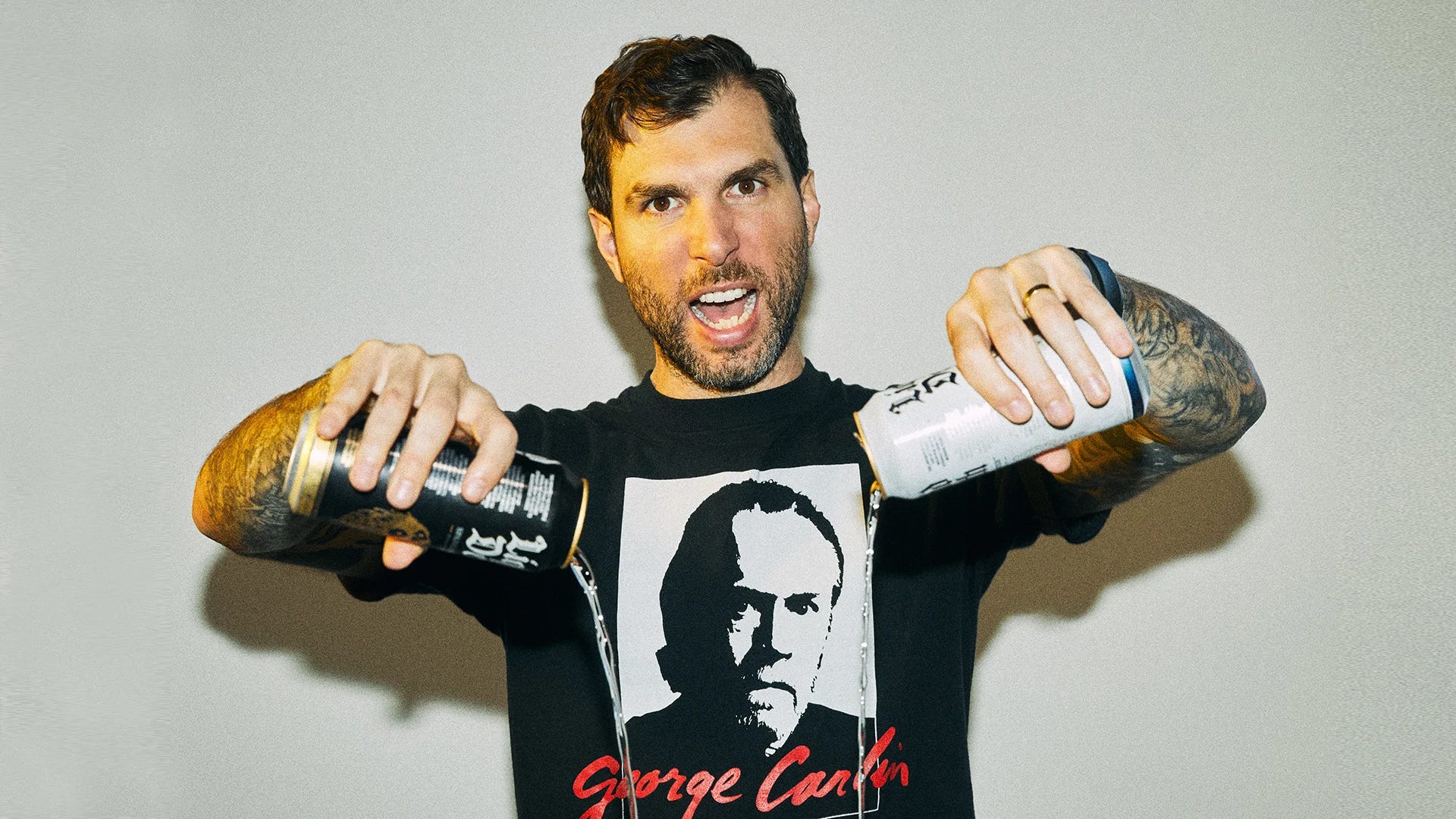
Liquid Death—Redefining Water as a CPG Brand
The Starting Point
In 2017, Mike Cessario was a creative director at Netflix when he had an observation at a music festival: people at punk and metal shows were drinking beer and energy drinks, not because they wanted alcohol or caffeine, but because water bottles looked boring and uncool. He thought: “What if water could be as fun and rebellious as the drinks people actually wanted to hold?”
Most people told him the idea was insane. The beverage industry is brutally competitive, dominated by giants like Coca-Cola and Pepsi. Water is commoditized—why would anyone pay premium prices for it? And the name “Liquid Death”? That would never work.
But Cessario saw something others didn’t: a massive market of people who wanted to make healthier choices without sacrificing their identity or looking lame while doing so.
The Path to PMF
Finding the Niche First: Instead of launching broadly, Cessario identified his specific target: people at concerts, festivals, and bars who wanted water but felt awkward ordering it. Think punk rockers, metalheads, skaters, and tattoo artists. These weren’t typical “wellness” consumers—they were rebels who happened to want hydration.
The Brand Before the Product: Most CPG companies start with the product and build the brand later. Liquid Death did the opposite. Before manufacturing a single can, Cessario created:
A manifesto: “Murder Your Thirst”
Heavy metal-inspired artwork with a skull logo
A mock commercial that went viral (3 million views)
A brand voice that was irreverent, funny, and self-aware
The commercial showed people drinking Liquid Death at a metal show, making fun of the absurdity of selling water this way. It worked because it was authentic to the culture.
The Aluminum Can Strategy: The product decision was critical—tallboy aluminum cans, not plastic bottles. Why?
Looked like beer (cool to hold at a concert or bar)
Infinitely recyclable (environmental angle without being preachy)
Better shelf presence (stood out against boring plastic bottles)
Premium positioning justified higher prices ($1.83 vs $0.50 for regular water)
Distribution Hacking: Instead of going to grocery stores first, they started where their target customers already were:
Music venues and festivals (Warped Tour, Coachella)
Tattoo shops
7-Eleven stores in urban areas
Bars (as a non-alcoholic option)
This created a “cool factor”—you couldn’t get it everywhere, and when you saw it, it meant something.
Content as Product: Cessario used his entertainment background to create content that drove demand:
Hilarious social media (TikTok, Instagram) that felt native to the platforms
Collaborations with punk bands and artists
Merchandise that people actually wanted to wear
Stunts like “selling their soul” on OpenSea as an NFT
The content wasn’t advertising—it was entertainment that happened to feature their product. Fans shared it organically because it was genuinely funny and subversive.
The PMF Moment
Early Signals: Within months of the 2019 launch, certain retailers couldn’t keep Liquid Death in stock. Convenience stores in LA would sell out within hours. Festival vendors reported that it outsold traditional water brands 3-to-1.
Viral Growth: By 2020, their social media following had exploded. Tony Hawk posted about them. Joe Rogan mentioned them on his podcast. Fans created their own content featuring the brand. The “Death to Plastic” environmental message resonated, but it was the humor and edge that made people buy.
The Numbers:
2019 launch: $3 million in revenue
2021: $45 million in revenue
2022: $130 million in revenue
2023: $263 million in revenue
October 2022: Valued at $700 million
March 2024: Valued at $1.4 billion
But the clearest PMF signal?
Repeat purchase rate of 60%+ and organic social media growth that outpaced their paid marketing 10-to-1.
Expansion: Once they had PMF with their core audience, they expanded distribution to Whole Foods, Target, and Amazon. They added flavored sparkling water, iced tea, and eventually plan to expand into other beverage categories. But they never abandoned their core identity.
Why It Worked
Liquid Death found PMF by recognizing a fundamental truth: people don’t just buy products; they buy identity. Their customers weren’t looking for better water—they were looking for water that represented who they were.
The genius was recognizing that “healthy living” had been co-opted by yoga moms and wellness influencers, leaving a massive segment of people (rebels, rockers, gamers, misfits) without a brand that spoke to them.
Key Lesson: In CPG, PMF comes from finding an underserved psychographic segment and building a brand that becomes part of their identity. The product must be good, but the positioning and culture-fit matter more than the functional benefits.
The Mental Models That Matter
1. The 40% Rule (Sean Ellis)
If less than 40% of your users would be “very disappointed” without your product, you don’t have PMF yet. Don’t scale marketing. Don’t hire aggressively. Keep iterating.
2. The “Hair on Fire” Problem
You need to solve a problem so painful that customers have their “hair on fire.” They’ll pay anything, accept bugs, and forgive shortcomings—if you put out the fire.
3. The 10x Rule
Your solution must be 10x better than alternatives—not 10% better. Marginal improvements don’t overcome switching costs. Revolutionary value does.
4. The Bowling Alley Strategy
Start with one pin (customer segment). Knock it down completely. Then move to the adjacent pin. Trying to knock down all pins at once means you’ll hit none.
5. The Paul Graham Question
“Make something people want.” Not something people might want, or should want, or could want. Want. Now. Intensely.
The Simple 4-Step PMF Framework
Let’s use a real example throughout:
Sarah wants to build a meal-planning app for busy parents.
Step 1: Find ONE Specific Person with ONE Painful Problem
Don’t say: “I’m building a meal-planning app for families”
Do say: “I’m building for working moms with kids under 5 who hate spending 2 hours every Sunday planning meals and grocery shopping”
Sarah’s homework:
Talk to 10 working moms
Ask: “What’s the most frustrating part of feeding your family?”
Listen for the same problem coming up repeatedly
Find the problem that makes them say “OMG, yes, I HATE that!”
Sarah discovers: Most moms don’t hate planning meals. They hate that their kids won’t eat what they make. They waste money on groceries that go bad.
Sarah’s refined focus: “I’m solving the problem of food waste for working moms whose picky kids refuse to eat dinner.”
Step 2: Solve It Manually for 10 People First
Don’t build an app yet. Do the work by hand.
Sarah’s approach:
Finds 10 moms in her Facebook group
Each Sunday, text them: “What did your kids actually eat this week?”
Creates meal plans based only on foods their kids already like
Sends them a grocery list via text
Charges $10/week
What Sarah learns in 2 weeks:
Kids eat the same 15 meals on repeat (she doesn’t need 1000 recipes)
Moms want recipes they can make in under 20 minutes
The grocery list matters more than the meal plan
7 out of 10 moms renewed for week 2
The validation: If people won’t pay $10 for you to do it manually, they won’t pay $10/month for an app.
Step 3: Build the Smallest Thing That Works
Sarah builds a simple app with ONLY:
A quiz: “What 15 foods do your kids actually eat?”
Auto-generates a weekly meal plan from those 15 foods
Sends a grocery list
That’s it. No recipe database. No social features. No AI recommendations.
Sarah’s first 3 months:
Launches to her 10 test moms + 20 others from Facebook groups
Talks to 5 users every week on video calls
Asks: “What almost made you cancel?” and “What would you miss most?”
Ships small improvements every Friday
What she learns:
Parents want breakfast ideas too (adds that)
They want substitutions (adds a swap button)
They don’t care about nutritional info (doesn’t build it)
Step 4: Measure If People Actually Love It
Sarah tracks only 3 numbers:
Number 1: The 40% Rule.
Every month, Sarah emails all users: “How would you feel if this app disappeared tomorrow?”
Very disappointed
Somewhat disappointed
Not disappointed
Month 1: 25% say “very disappointed” (not there yet)
Month 3: 45% say “very disappointed” (PMF achieved!)
Number 2: Are People Sticking Around?
Month 1: 50% of users are still using the app after 30 days
Month 3: 70% of users are still using the app after 30 days
(Higher = better. If this goes down, she has a problem.
Number 3: Are People Telling Their Friends?
Month 1: 10% of new users came from referrals
Month 3: 40% of new users came from referrals
(When moms start inviting their friends without Sarah asking = PMF)
Sarah’s decision at Month 3:
✅ 45% would be “very disappointed” without it (above 40% = PMF!)
✅ Retention is improving (70% stick around)
✅ 40% of growth is word-of-mouth (people love it)
Sarah now knows she has PMF. Time to scale: hire help, invest in marketing, improve the app.
The Final Word
Product-market fit isn’t a destination—it’s a discipline. It requires humility to listen, courage to focus, and patience to iterate. But once you achieve it, everything changes.
Remember:
Instagram threw away its funded app and rebuilt around one feature that users loved
Liquid Death found an underserved identity and became part of their culture
They didn’t find PMF by building more features. They found it by deeply understanding their customers, ruthlessly focusing on the right segment, and making those customers wildly successful.
Your job isn’t to build a product. Your job is to find a match between what you can build and what the market desperately wants.
Go talk to your customers. Measure relentlessly. Iterate quickly. And remember: before you scale, find the fit.
The market is always right. Listen to it.
📰 New article drops every Tuesday.
Be bold. Be real. Be Anomalous.