


People love to say you should ‘go all in’ on your dream—quit your job, take the leap, never look back. But not every path to success looks like that. Some of the most successful founders built world-changing companies while keeping their day jobs.
Entrepreneurship isn’t one-size-fits-all. You have to move in a way that feels right for you. If walking away isn’t an option right now, that’s okay—pursue your dream in the margins, in the evenings, through small steps. There’s always a way to get where you’re going.
Here are three founders who prove that keeping your stability while pursuing your vision isn’t playing it safe—it’s playing it smart.
James Dyson: 5,127 Prototypes and a Day Job
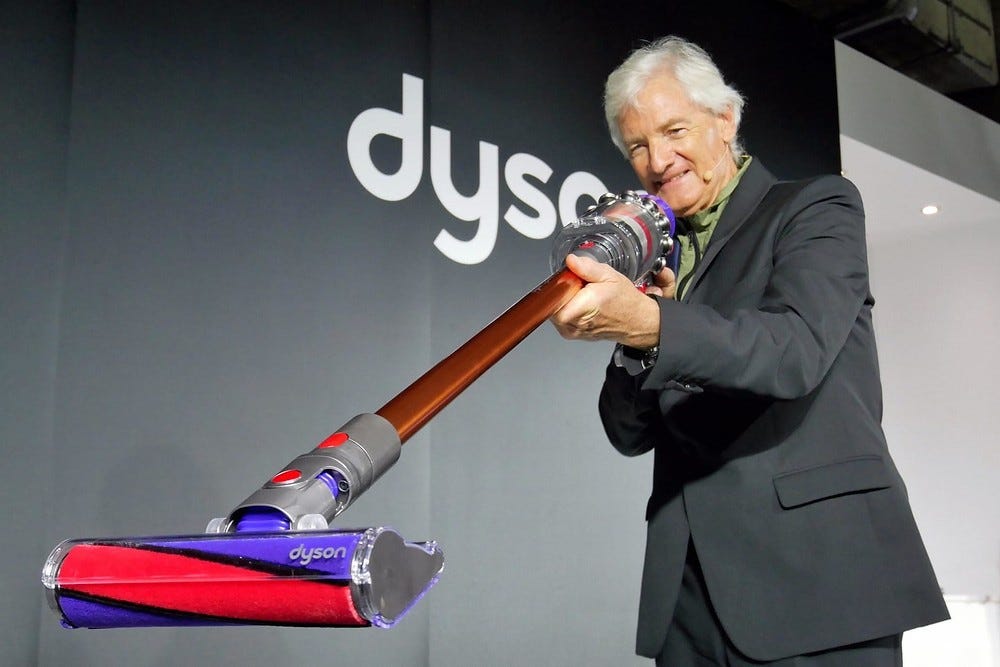
In 1979, James Dyson was a working engineer who grew frustrated with his vacuum cleaner losing suction as the bag filled with dust. Rather than accepting this as normal, he became obsessed with creating a better solution.
Dyson didn’t quit his job to pursue this idea. Instead, he spent five years working on his bagless vacuum technology in the evenings and weekends. His wife, an art teacher, provided a steady income for their family while he built prototype after prototype in his workshop.
The numbers tell the story of his persistence: 5,127 prototypes over those five years. Each failure taught him something new about cyclonic separation and airflow. He wasn’t rushing to market with an untested product because investors were waiting. He could afford to get it right.
When Dyson finally had a working design, traditional vacuum manufacturers rejected it. They had no interest in a technology that would eliminate their profitable replacement bag business. So in 1993, Dyson launched his own company to manufacture and sell his bagless vacuum cleaners.
Today, Dyson Ltd. is a global technology company with billions in annual revenue, expanding far beyond vacuums into fans, air purifiers, hair care, and lighting. But it started with an engineer who spent five years building prototypes in the margins of his regular life.
Kevin Plank: From College Football to Under Armour
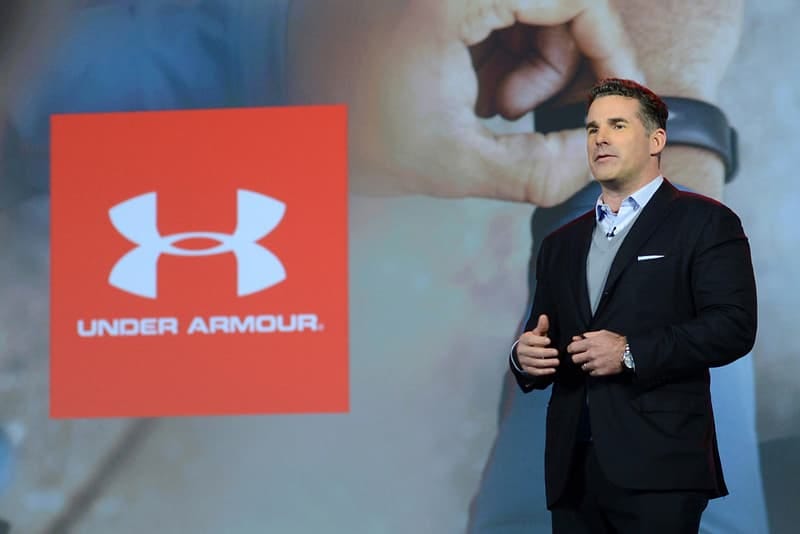
Kevin Plank’s entrepreneurial journey began with a practical problem. As special teams captain for the University of Maryland football team in the mid-1990s, he was frustrated by constantly having to change out of sweat-soaked cotton t-shirts during practices and games. He noticed his compression shorts stayed dry—and wondered why his shirt couldn’t do the same.
Plank didn’t drop out of college to start a company. He began experimenting with moisture-wicking fabrics while still playing football and attending classes. He worked on prototypes in his grandmother’s basement in Washington, D.C., testing them on his teammates between practices.
After graduating in 1996, Plank continued to build his business while working. He drove up and down the East Coast, selling his shirts out of his car trunk to college and professional teams. His breakthrough came when he successfully sold to Georgia Tech’s football team, followed by the Atlanta Falcons.
The growth was steady but not explosive. Under Armour generated $17,000 in revenue in its first year, 1996. By 1998, revenue had grown to $100,000. Plank kept operations lean, working from his grandmother’s basement and funding the business through his own savings and credit cards.
Only as the business demonstrated real traction did Plank transition to full-time entrepreneurship. Today, Under Armour is a multi-billion-dollar athletic apparel company competing with Nike and Adidas. But it started with a college athlete who solved his own problem without abandoning his other commitments.
Sara Blakely: From Fax Machines to Spanx

In 1998, Sara Blakely was 27 years old and selling fax machines door-to-door in Florida. She wanted to wear white pants with a smooth silhouette but without visible panty lines or the seamed foot of traditional pantyhose. Her solution was simple: she cut the feet off her control-top pantyhose.
When it worked, Blakely recognized a business opportunity. But she didn’t quit her sales job. Instead, she continued selling fax machines while working on her invention in her spare time.
With no background in fashion or business, Blakely taught herself what she needed to know. She bought a textbook and wrote her own patent application. She saved $5,000 from her sales commissions to fund her first prototype. She called hosiery mills during lunch breaks and after work, facing rejection after rejection until one mill owner in North Carolina agreed to manufacture her product.
For two years, Blakely maintained this dual life. Days were spent selling fax machines. Evenings and weekends were dedicated to refining her product, designing packaging, and cold-calling department store buyers. She operated out of her apartment with no employees, no office, and no outside investors.
Her persistence paid off when Neiman Marcus agreed to carry Spanx in seven stores. Even then, Blakely continued her bootstrap approach. She personally demonstrated her product at stores on weekends, standing for hours after spending weekdays on her feet in sales.
The turning point came in 2000 when Oprah Winfrey named Spanx one of her “Favorite Things.” But by that time, Blakely had already validated her product, built manufacturing relationships, and created a sustainable business model—all while keeping the financial safety net of her day job.
In 2012, Sara Blakely became the world’s youngest self-made female billionaire. She built Spanx entirely through bootstrapping, never taking outside investment and maintaining 100% ownership of her company.
The Strategic Advantage of the Side Hustle
These three founders share a common pattern that contradicts the “leap of faith” narrative. By maintaining financial stability while building their businesses, they gained crucial advantages:
Extended validation period. Dyson had five years to perfect his technology. Plank had time to test his products with real athletes and build relationships with teams. Blakely spent two years learning manufacturing, retail, and marketing. None of them had to rush an inferior product to market.
Capital efficiency. All three bootstrapped their businesses without outside investment in the early years. Their day jobs funded their prototypes and initial inventory. This meant they could maintain full ownership and control of their companies.
Lower-stakes experimentation. When Dyson’s prototype failed, he could build another one without risking his family’s home. When Plank’s early sales calls went nowhere, he still had income. When Mills rejected Blakely, she could call the next one. The pressure was real, but not existential.
Credibility with partners. Plank’s success with college teams opened doors to professional teams. Blakely’s professional sales experience helped her pitch to department stores. They weren’t just dreamers—they were working professionals with proven business concepts.
Clear decision point. Each founder transitioned to full-time entrepreneurship based on evidence, not emotion. Dyson moved forward when he had a proven product. Plank committed when revenue demonstrated real demand. Blakely went all-in when major retailers were ordering consistently.
Lessons for Entrepreneurs
If you’re building a business while maintaining your day job, these stories are proof that there’s no single way to do entrepreneurship.
Dyson, Plank, and Blakely each took different routes—building alongside their day jobs before making the leap. Those years weren’t wasted; they were seasons of learning, validation, and refinement.
Entrepreneurship has many paths, and every founder’s journey is unique. You’ll know when it’s time to take your next step. What matters most is that you start—and keep moving forward on the path that feels right for you.