



The Magazine Editor Who Got Tired of Lies
Julie Schott had a problem with her job. As beauty director at Elle.com, she spent her days writing about flawless skin, miracle products, and the pursuit of perfection. But something felt deeply wrong.
“I grew up in a particularly toxic era for beauty standards,” she would later explain. Women’s magazines published extreme weight loss diets. Nobody had visible acne except in humiliating “before” photos. Every face in every ad looked essentially the same. The message was clear: if you had a pimple, you should hide it, fix it, and feel bad about it.
The irony? Acne affects 95% of people at some point in their lives. The beauty industry had convinced nearly everyone to feel ashamed of something completely universal.
During her travels, Schott discovered something fascinating in Korea: tiny hydrocolloid patches that people stuck on their pimples. They weren’t just cosmetic cover-ups - they actually worked, drawing out fluid and protecting against bacteria while the breakout healed. But they came in one color: beige. The kind of beige that screamed, “I’m trying to hide something.”
Around the same time, Schott noticed teenagers on Instagram using filters that added digital stickers to their faces - stars, hearts, glitter. They were decorating their selfies for fun.
That’s when the idea hit her: What if acne treatment could be something you’d actually want to show off?
The Unlikely Partnership
Schott knew she had a compelling idea, but building a business? That was a different territory. Enter Brian Bordainick, a serial entrepreneur who’d previously founded Dinner Lab (which raised over $11 million) and served as head of innovative ventures at Hudson’s Bay Company. He understood retail, operations, and scaling - everything Schott didn’t.
They made a deal: Schott would handle product development, branding, and the brand’s voice. Bordainick would run the business side. But every major decision had to be unanimous. No ties. Both had to believe in it, or it didn’t happen.
In September 2019, they launched Starface with a single product: Hydro-Stars. Star-shaped hydrocolloid patches were packaged in bright yellow pods that looked more like toys than medicine. Thirty-two patches for $22.
The pitch was radical in its simplicity: Stop hiding your acne. Celebrate it.
The Reality Check
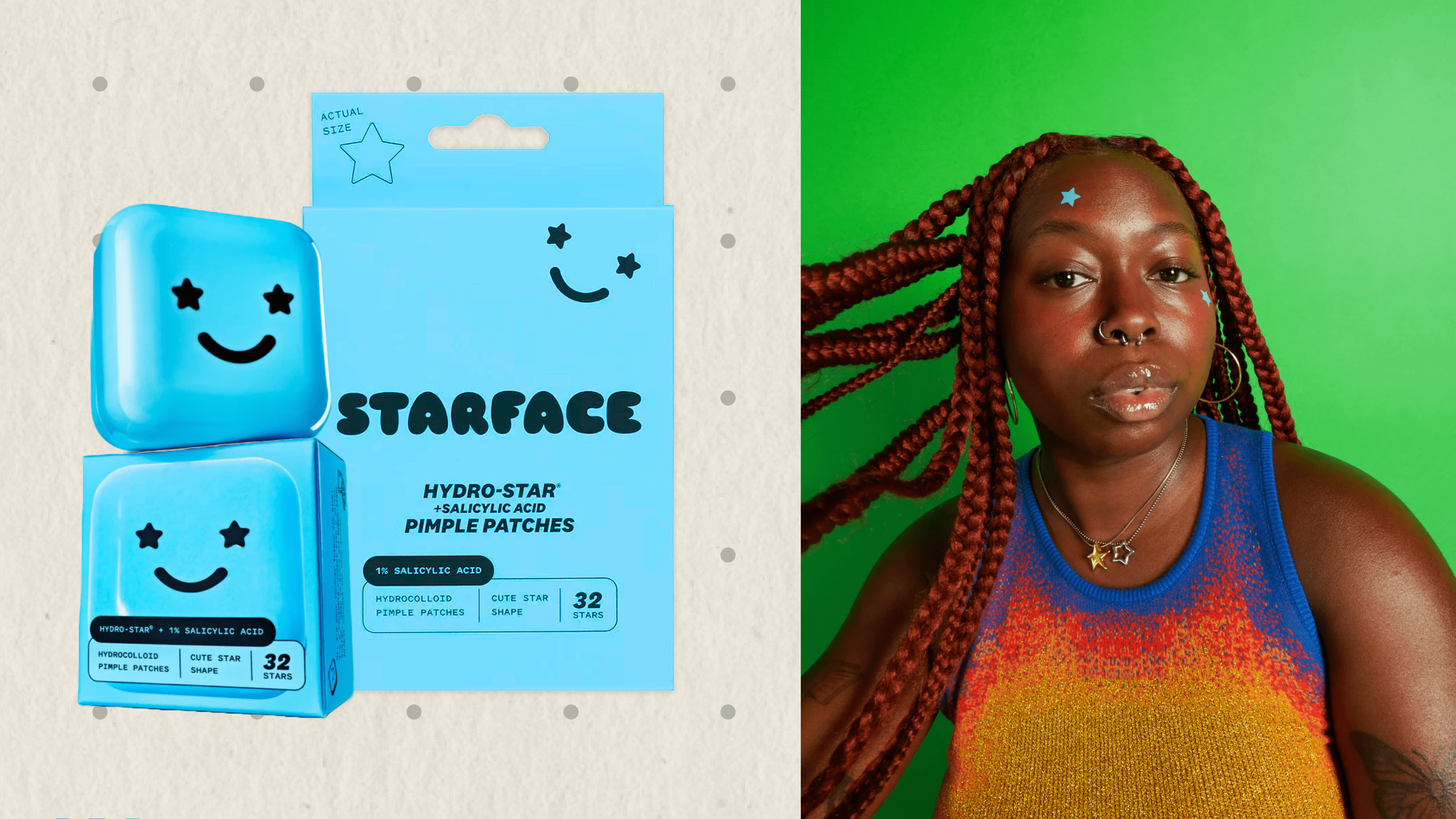
The market responded immediately - just not in the way they expected.
Sales started coming in, but so did the feedback. On TikTok, teenagers were blunt: “Girl, I’m not paying that.” Twenty-two dollars for patches? That was a lot for a high schooler’s budget.
This was the first test of their partnership philosophy. Schott loved the premium positioning. Bordainick saw the data: they were limiting their market. They debated. They looked at the numbers. Finally, they agreed: accessibility mattered more than margins. They dropped the price to $14.99.
Then there was the manufacturing nightmare. Schott had assumed finding someone to make custom-shaped hydrocolloid patches would be straightforward. It wasn’t. She started cold-calling manufacturers - “which wasn’t how you do it,” she admitted later. Weeks turned into months. Eventually, through better-connected partners, they found the right factory.
The lesson stuck: expertise matters, and sometimes you need to ask for help.
The Viral Moment They Didn’t Plan
Starface made a conscious decision: no paid influencers. Zero. This wasn’t noble philosophy - it was practical. They didn’t have the budget to compete with established beauty brands, throwing millions at Instagram stars.
Instead, they just shipped product to people who asked for it and engaged authentically with anyone who posted about them.
Then something unexpected happened.
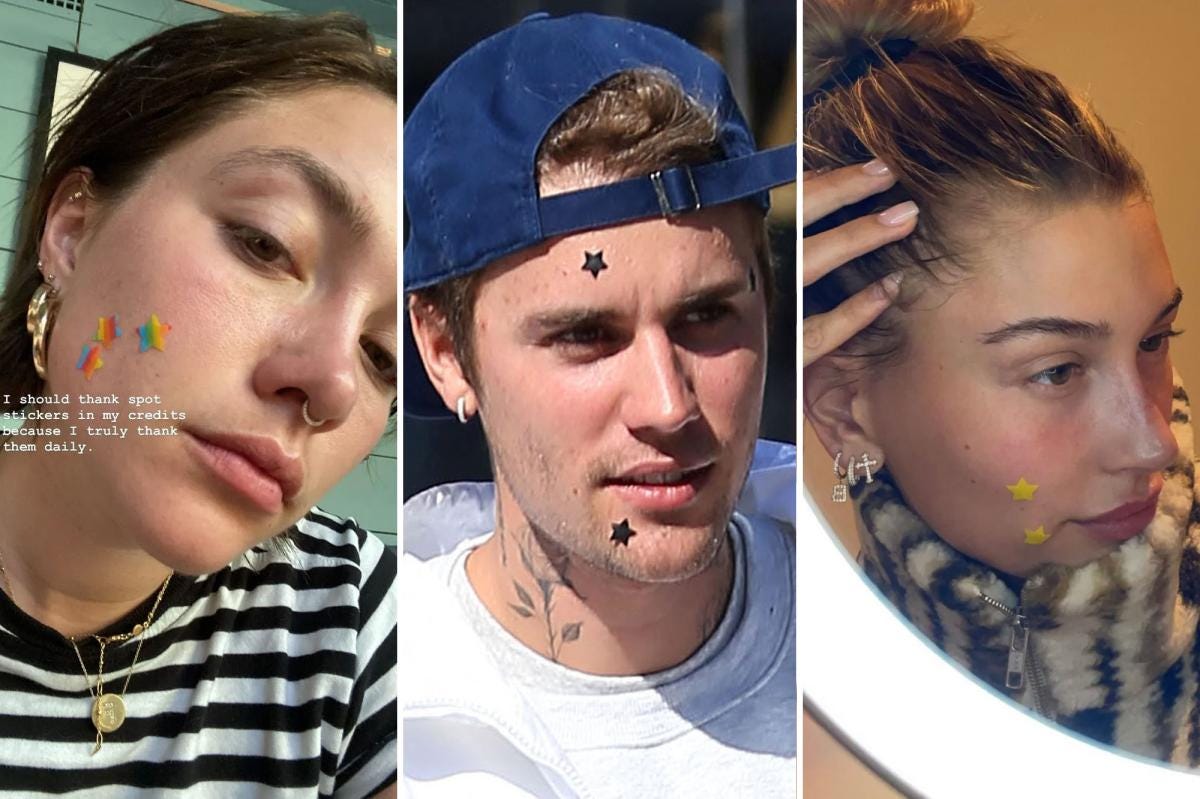
Justin Bieber was photographed running errands with yellow stars on his face. Millie Bobby Brown wore them in an Instagram story. Charli D’Amelio, then an emerging TikTok creator, posted herself getting ready with Hydro-Stars on. She had millions of followers.
The posts weren’t paid. The celebrities just... liked them.
Suddenly, teenagers were filming themselves wearing star patches to school, not as embarrassing medical devices, but as fashion accessories. Each selfie with a yellow star became free advertising. The visual distinctiveness of the product - that bold star shape - made it instantly recognizable in any photo.
TikTok’s algorithm amplified the trend. One video led to another, then another. The hashtag spread. Within months, Starface had achieved what beauty brands spend millions trying to manufacture: genuine cultural relevance.
The Money Comes Knocking
By February 2020, just five months after launch, investors noticed. BBG Ventures, a fund focused on female-founded consumer companies, led a $2 million seed round. They’d watched other beauty brands struggle to connect with Gen Z. Starface, somehow, just got it.
The timing seemed perfect. The brand was growing fast, the buzz was organic, and retail partnerships were beginning conversations. Then March 2020 hit, and the world locked down.
“We tried to stay true to who we were and what we were building,” Schott later said about navigating the pandemic. While some investors pushed them to pivot messaging or change strategy to capitalize on everyone being home, they stuck to their core idea: making acne less stigmatized.
It paid off. By January 2021, they closed a Series A. By August 2022, they raised $15.5 million in Series B funding. Total raised: about $18 million.
But the most important number wasn’t the funding - it was what came next.
Scaling the Product Line (Carefully)
Success creates pressure to expand. Every investor asks: “What’s next? What else can you sell them?”
Starface moved carefully. In 2020, they launched Space Wash cleanser and Moisture on Mars moisturizer - simple, complementary products that fit the brand’s playful voice. Customer reviews were overwhelmingly positive.
Then they got creative with limited editions. Cyber-Stars with a metallic finish. Glow Stars that literally glowed in the dark. Each sold out within days, creating buzz and testing new ideas without massive inventory commitments.
In June 2020, they launched Rainbow Hydro-Stars, donating 100% of proceeds to organizations supporting Black and LGBTQ+ lives. It wasn’t performative - it was on-brand. Starface had always been about celebrating people as they are.
The big bets were the collaborations: Sesame Street in December 2021, SpongeBob SquarePants in April 2022, and Hello Kitty in August 2022. Each generated thousands of waitlist signups before launch. These weren’t just celebrity partnerships - they were cultural touchstones for the Gen Z and millennial audience who grew up with these characters.
One editor captured it perfectly: “Starface’s products are more than just pimple patches - it’s impossible not to feel some type of way when you put a little pink star or Hello Kitty on your face.” That emotional connection was the product.
The Retail Gamble
Here’s where Starface made a counterintuitive bet.
Every trendy DTC brand in 2019 was bragging about cutting out the middleman. Direct-to-consumer was the future! Retail was dead! Why give Target or CVS a cut when you could own the customer relationship?
Bordainick’s retail background told him otherwise. His vision was simple but ambitious: “Starface should be as easy to find as toilet paper and gum.”
They pursued Target, Walmart, CVS, and Amazon aggressively. By 2024, the results were undeniable: retail sales had “tremendously outpaced DTC.”
The reason? Accessibility created legitimacy. When a teenager could grab Hydro-Stars during a Target run with their parents, it removed friction. When the patches sat next to established beauty brands at CVS, it signaled “this is real.” And critically, retail got them in front of people who’d never heard of them - the serendipitous discovery that no Instagram ad can replicate.
Amazon sales alone were projected to grow 153% in 2023, with overall retail growing over 212% year-over-year.
Enter Kara Brothers: The Seventh Employee Who Changed Everything

By early 2021, Starface had found product-market fit but lacked structure. Six people were coordinating via text messages and random email chains. No Slack, no organized processes, no way to scale what was clearly about to explode.
Kara Brothers joined as the seventh employee in January 2021 as SVP of Strategic Initiatives. With eight years at Google running corporate strategy and an MBA from NYU Stern, she brought tech-company discipline to a scrappy beauty startup. Her first task: build basic infrastructure like Slack channels, all-hands meetings, and file organization systems.
But Brothers brought more than systems. She brought radical transparency. “With my team, you always know where you stand,” she explained. No corporate doublespeak, no mysterious strategies, just direct feedback and clear expectations. In an industry built on careful image management, her bluntness became a superpower.
By 2022, she was promoted to president. Under her leadership, Starface became profitable, expanded from three retail partners to over twenty, and grew from seven employees to over fifty. The company is on track for $90 million in revenue in 2024.
The retail expansion was particularly dramatic. Brothers drove partnerships with Target, Walmart, CVS, Amazon, Ulta, and international retailers. In 2024, Starface experienced over 50% year-over-year sales growth across retail channels.
She also oversaw smart product expansion. In August 2024, Starface launched its first non-pimple patch product: a lip balm. After North West organically posted about it on TikTok, it sold out almost immediately. The organic viral strategy remained intact even as operations professionalized.
Brothers proved something crucial: you can implement systems and structure while keeping your soul. “One of the blessings and challenges of growing so fast is that we have more and more people along for the ride,” she noted. “But we’ve found that remaining focused on being ourselves while growing up resonates because we’re all kids at heart.”
The Bigger Picture
Five years after launch, Starface has fundamentally changed how young people think about acne. Walk into any high school, and you’ll see teenagers wearing yellow stars on their faces - not hidden under makeup, but displayed proudly.
That cultural shift is worth more than the revenue. Schott and Bordainick set out to make one thing different: the shame around acne. They succeeded.
They made an entire generation feel a little less alone, a little less broken, and a little more willing to show their real faces to the world.
That’s not just a successful brand. That’s a movement that happened to make money.
And for founders, that’s the ultimate lesson: build something that makes people feel different about themselves, and the business metrics will follow. Starface didn’t succeed because they made better pimple patches. They succeeded because they made people feel better about having pimples.
Find that emotional transformation in your category, and you might just build something that matters.
📰 New article drops every Tuesday.